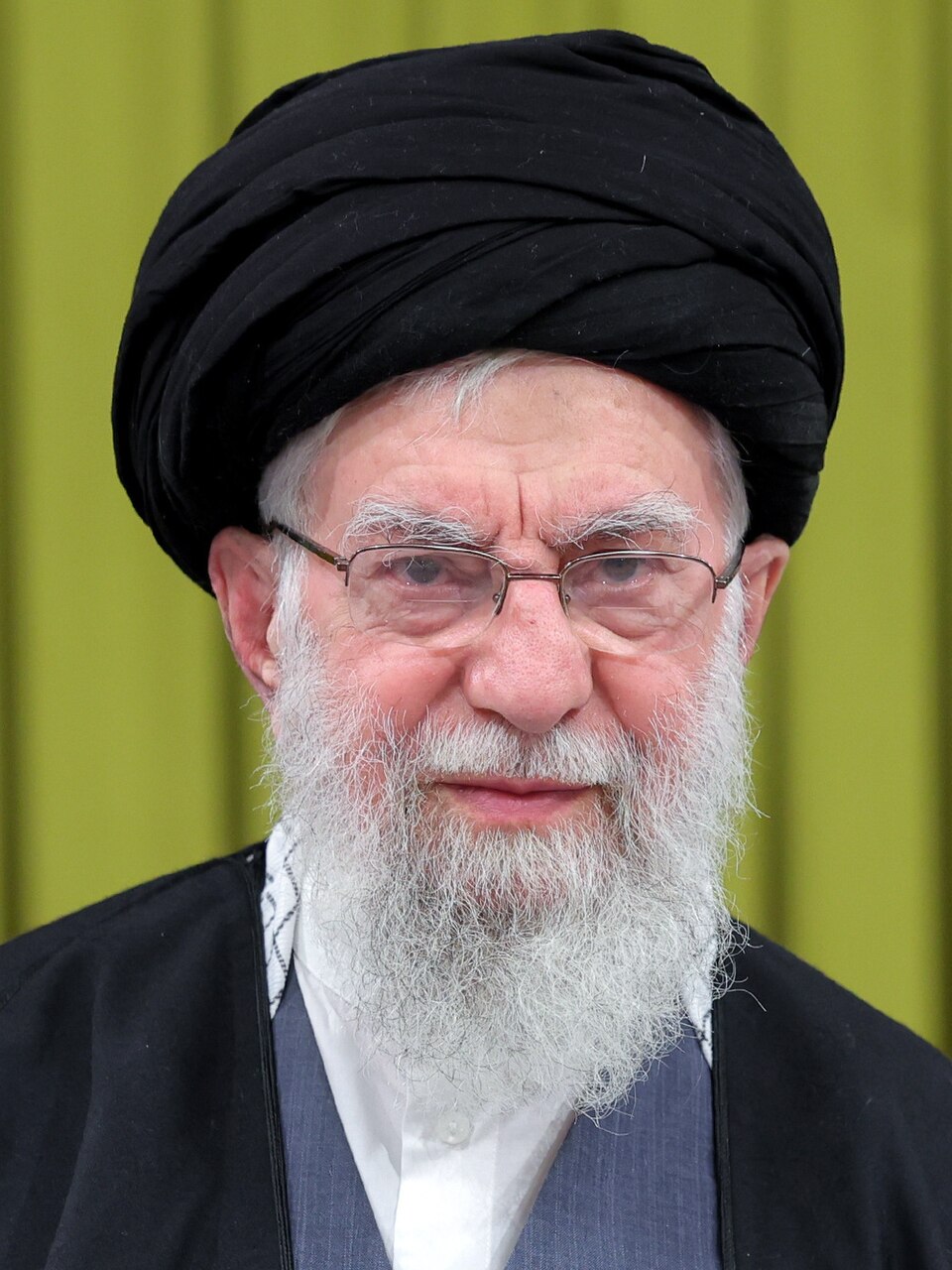
A New Era Dawns in Iran: US-Israel Strikes Claim Supreme Leader Khamenei, Interim Council Takes Power
In a dramatic turn of events that has sent shockwaves across the Middle East and beyond, Iran has confirmed the tragic muerte de jameneí, its Supreme Leader, Ayatollah Ali Khamenei. The veteran leader, who steered the Islamic Republic for over three decades, reportedly perished in a series of targeted strikes by U.S. and Israeli forces this past weekend. This unprecedented act of aggression has not only eliminated the highest authority in Iran but has also claimed the lives of several key military figures and members of Khamenei's own family, plunging the nation into a period of profound uncertainty and setting the stage for an explosive escalation of regional tensions.
The immediate aftermath has seen the swift establishment of an interim council to manage the country's affairs, while Iran’s elite Revolutionary Guard has vowed "hard and decisive punishment" through what it promises will be the largest military operation in its history. As the world watches with bated breath, the ramifications of this seismic event are only just beginning to unfold, promising a turbulent path forward for the Persian nation and its adversaries.
The Strikes: A Coordinated Offensive and Widespread Casualties
The fatal offensive, reportedly initiated in the early hours of Saturday, targeted strategic locations across Iran, including the capital Tehran and major cities such as Tabriz in the northwest and Isfahan in the center. Reports suggest that the strikes were comprehensive, hitting critical infrastructure and key leadership positions. Satellite imagery, though unconfirmed, hinted at significant damage to Khamenei's residence, underscoring the precision and audacious nature of the attacks.
While initial reports from U.S. and Israeli officials, including President Donald Trump and Prime Minister Benjamin Netanyahu, hinted at the Supreme Leader's demise, it was Iran's state television that ultimately confirmed the devastating news on Sunday. A visibly emotional anchor announced the muerte de jameneí to the nation, declaring 40 days of national mourning and a period of seven days of public holidays to honor the fallen leader.
The tragedy, however, extended far beyond the Supreme Leader. The strikes also claimed the lives of a significant portion of Iran's military high command, effectively decapitating key leadership structures. Among the confirmed casualties were:
- General Mohamad Pakpur: Commander-in-Chief of the Revolutionary Guard.
- Ali Shamjani: Secretary of the Supreme National Security Council.
- General Abdorrahim Musavi: Chief of Staff of the Iranian Armed Forces.
- Aziz Nasirzadeh: Iranian Minister of Defense.
Adding a deeply personal layer to the tragedy, the Fars news agency, known for its ties to the Revolutionary Guard, reported the heartbreaking loss of Khamenei's daughter, son-in-law, daughter-in-law, and grandson in the attacks. The sheer scale of casualties among the country's leadership and the Supreme Leader's family underscores the profound impact and strategic intent behind the U.S.-Israeli operation.
The Interim Succession: Navigating a Period of Transition
In the immediate aftermath of the death of Khamenei, Iran's leadership moved swiftly to ensure a semblance of continuity and stability. An interim council has been formed to assume the leadership of the country during this critical transitional period. As reported by the state agency IRNA, this tripartite council comprises:
- Masud Pezeshkian: The current President of Iran.
- Golamhosein Mohseni Eyei: The Head of the Iranian Judiciary.
- Ayatollah Alireza Arafi: A prominent jurist.
This interim body is tasked with guiding the nation through the immediate crisis and overseeing the processes for a more permanent succession. Under Iranian law, the ultimate responsibility for choosing the next Supreme Leader rests with the Assembly of Experts. This influential body, comprising 88 clerics, is elected by popular vote every four years, with the most recent elections having taken place in March 2024.
Beyond the Assembly of Experts, the Council of Guardians also plays a crucial role in Iran's political landscape. Composed of six jurists and six clerics, this body holds the power to approve or veto legislation passed by Parliament and to vet political candidates. The intricate web of these institutions highlights the complexities inherent in Iran's unique system of governance, now put to the ultimate test in the wake of the Supreme Leader's demise.
Iran's Vow of Vengeance and Escalating Tensions
The confirmation of the muerte de jameneí was immediately met with a fierce pledge of retribution from Tehran. The Iranian Revolutionary Guard Corps, the elite military force responsible for defending the Islamic Republic, issued a defiant statement vowing "hard, decisive, and regrettable punishment" for those responsible. They declared their intention to launch "the greatest military operation in its history" against U.S. and Israeli targets, emphasizing that they would "not leave their assassins in peace."
This declaration signals an alarming potential for unprecedented regional escalation. The U.S. and Israel, for their part, have announced plans for further attacks against Iran, indicating a cycle of retaliation that could spiral dangerously out of control. The geopolitical landscape of the Middle East, already fraught with tension, now faces the prospect of an open and direct conflict on a scale not seen before.
Implications for Regional and Global Stability
The death of a figure as central as Ayatollah Ali Khamenei creates an immense power vacuum and introduces profound uncertainty. For decades, Khamenei served as the ultimate arbiter of Iranian domestic and foreign policy, maintaining a delicate balance among various factions and projecting Iran's influence across the region through proxies. His removal could lead to:
- Internal Power Struggles: While the interim council is in place, the long-term succession process could trigger intense jockeying for power among conservative factions, potentially leading to instability.
- Unpredictable Retaliation: Iran's promised "historic vengeance" could manifest in various forms, from direct military strikes to increased support for proxy groups, targeting U.S. interests, shipping lanes, or Israeli assets.
- Shifts in Foreign Policy: The new leadership, whether interim or permanent, might adopt a more aggressive or conciliatory stance towards the West and regional rivals, depending on their ideology and perceived strength.
- Impact on Nuclear Deal: The future of any potential nuclear agreement with world powers could be severely jeopardized, leading to heightened concerns about Iran's nuclear program.
From a global perspective, the events represent a critical test for international diplomacy and crisis management. The world now grapples with how to contain a potentially devastating conflict that could destabilize energy markets, trigger refugee crises, and draw in other regional and global powers.
Conclusion: A Region on the Brink
The confirmed muerte de jameneí, orchestrated by U.S. and Israeli forces, marks an inflection point in the already tumultuous history of the Middle East. With the loss of its long-serving Supreme Leader and a significant portion of its military command, Iran stands at a crossroads. The swift establishment of an interim council aims to provide temporary stability, but the path to a permanent succession will undoubtedly be fraught with challenges and potential for internal strife. Internationally, Iran's defiant vows of retaliation signal an era of unprecedented danger, with the potential for direct confrontation between major powers. As the world navigates these perilous waters, the coming weeks and months will be crucial in determining whether diplomacy can avert a wider conflict, or if the region is indeed poised on the brink of an even greater conflagration.